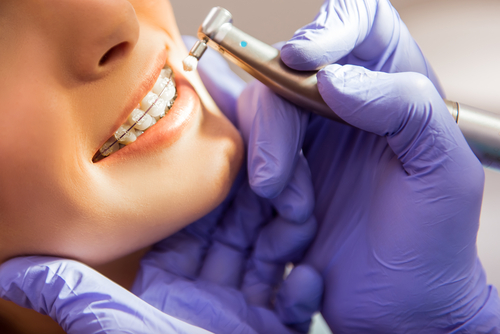
To remove the third molars, which usually erupt in the late teens or early twenties, wisdom teeth extraction is a frequent dental treatment. Although some people can grow these teeth without any problems, they frequently result in problems including crowding, discomfort, or infection. Proactively extracting wisdom teeth can reduce discomfort and avoid more dental health issues.

The final pair of molars to erupt are wisdom teeth, which frequently get impacted or misplaced due to the mouth’s limited space. Impacted wisdom teeth can cause pain, swelling, or even cysts if they force against other teeth or stay trapped beneath the gum line. Wisdom teeth that partially erupt produce pockets that hold food particles and germs, raising the risk of gum disease and cavities. To prevent these problems and maintain dental health, Houston dentists frequently advise extraction.
A comprehensive examination, including X-rays, is performed before the extraction procedure to determine the wisdom teeth’s location and state. A normal dentist or an oral surgeon may execute the treatment, depending on how complicated the case is. To guarantee comfort throughout the surgery, either local anesthetic, sedation, or general anesthesia is used.
The wisdom teeth are carefully removed by the dentist or surgeon during the extraction process, which may entail cutting the gum tissue or breaking the tooth into tiny pieces for simpler removal. After cleaning, sutures may be used to promote healing. Depending on how many teeth are extracted and where they are extracted, the total procedure usually takes one to two hours. Check with the people at https://hamblinfamilydentistry.com/ to schedule your appointment.
After having wisdom teeth out, recovery often takes a week or more. Following the surgery, patients may feel minor bleeding, slight discomfort, and edema. For a speedy recovery, it is imperative to adhere to aftercare guidelines. To encourage healing, dentists frequently advise avoiding straws, eating soft foods, and gently washing the mouth with warm salt water. Prescription drugs or over-the-counter painkillers can be used to treat discomfort.
A dry socket, a condition when the blood clot at the extraction site dislodges, exposing the bone and nerves, is one of the major hazards following extraction. In addition to causing excruciating agony, dry sockets can slow healing. During the recuperation phase, patients should refrain from smoking, violently spitting, or drinking using straws to lower the danger.
Patients who suffer from persistent discomfort, infections, or dental crowding can greatly benefit from wisdom teeth extraction, even though it is frequently a preventative procedure. The surgery is especially crucial for people whose wisdom teeth frequently cause discomfort or pose a hazard to the alignment of orthodontic work.
In conclusion, extracting wisdom teeth is a common yet essential dental operation for handling the particular difficulties these late-blooming molars provide. This treatment maintains your dental health, reduces pain, and avoids long-term repercussions by taking care of possible problems early. To guarantee a healthy, pain-free mouth and to find the best course of action for your wisdom teeth, speak with your dentist.